

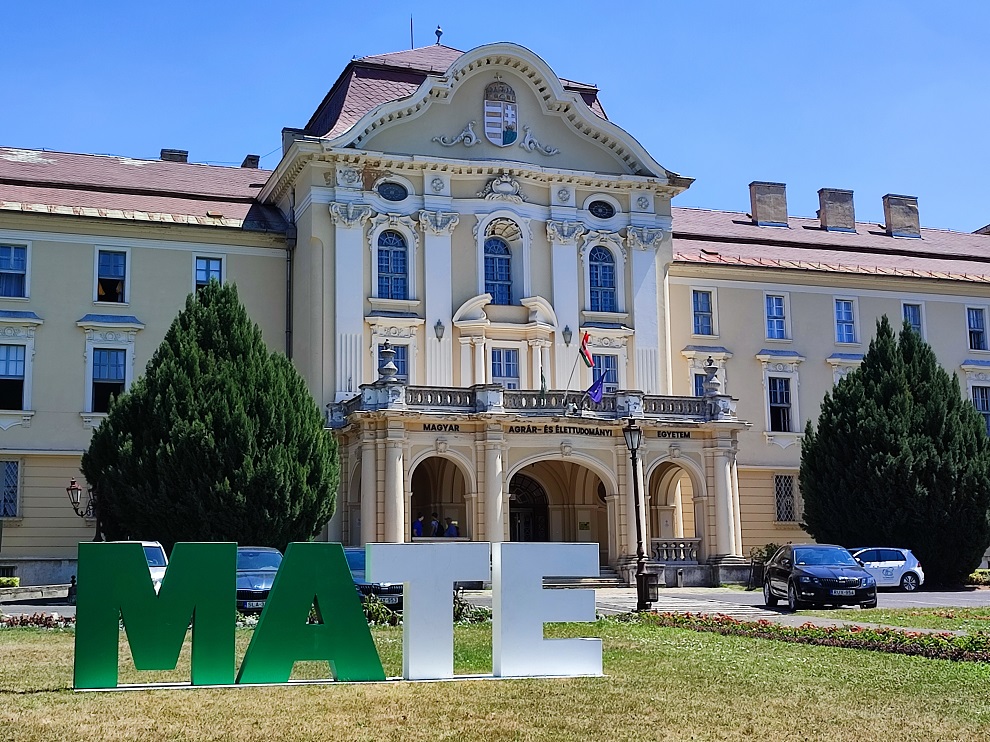
MATE as coordinator has long-time expertise in the bio-based degradation of various environmental pollutants along with the evaluation of biodetoxification, i.e., the measurement of the residual toxicity of bacterial metabolites. MATE owns an outstanding environmental bacterial and fungal strain collection, generally performs bacterial fermentation, immobilisation, and lyophilisation and has extensive experience in vitro and in vivo, acute and chronic ecotoxicological testing using a variety of test organisms, including prokaryotes, unicellular eukaryotes, aquatic invertebrate and vertebrate models. MATE adopted, developed and validated NAMs, such as the estrogen-sensitive transgenic zebrafish line Tg(vtg1:mCherry) that is suitable for the direct measurement of estrogenicity and Saccharomyces cerevisiae BLYES and BLYAS strains for the rapid and reliable detection of agonist and antagonist hormonal activities. These effect-based tools enable the measurement and monitoring of diverse environmental samples, including slurry-based irrigation waters and solid fractions.
MATE provides an excellent basis for manure sampling and data collection and, as a higher education and research institute, reaches the network of local and regional actors for stakeholder engagement to increase the social acceptance of the project.